Member Spotlight: Ronnie Soria
Ronnie Soria
The Air Barrier Association of America (ABAA) dives inside the career of Ronnie Soria.
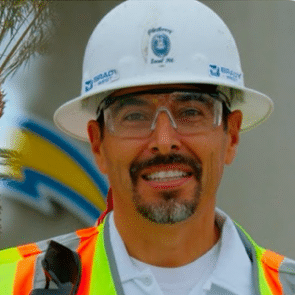
Name: Ronnie Soria
Title: Plaster and Fireproofing Superintendent
Firm: Brady West
City: Los Angeles, California
I’m 53 years old, born and raised in Southern California. Happily married to Paulina Soria and father of 7 children. I joined the plasterers union local 200 when I was 18years old in June of 1990. My dad was also a Union plasterer of local 200. I like to go fishing, camping, hiking, shooting, and motorcycle riding on my free time. Thursday evening is date night, every Thursday night I take my wife out to dinner and spend quality time together.
I would like to thank my wife and family for standing by me through my career, my union for their support, Brady West for believing in me, but most of all Jesus Christ for making this all possible. Thank you!
DO NOT USE - USED TO KEEP ACCORDION CLOSED INITIALLY
What's a project you've worked on that you're especially proud of and why?
A: Los Angeles Chargers training facility, this project was an STO EIFS system and required an extensive air barrier and water proofing system. I’m proud of this project because the Chargers are my favorite football team and this project turned out beautiful. I also like the fact that it is seen by millions of people every year on television and in person.
How does proper air barrier installation contribute to overall building performance and sustainability?
A: A properly installed air barrier system protects the structure of the building from the different temperatures and weather that the building is exposed to all year long. It also helps with the climatization of the building. This helps with the overall heating and cooling expense of the building.
How has earning your Level 3 Certification impacted your career and business opportunities?
A: After receiving my level 3 certification, I was put in charge of installing an air barrier system over an existing system that failed at an occupied 5 story hospital during COVID. We used a PAREX EIFS system. It turned out great, the system was tested and passed with flying colors. The owners were thrilled with the end result. The success of this project led to my current position and has made me a very valuable asset to my company.
What's one challenge you've faced in the field, and how did you overcome it?
A: Trade damage and owner design changes after installation of the air barrier system. It never fails, once the air barrier is installed, other trades damage it or something is added to the building and the air barrier is compromised by design changes during construction. The only way to overcome this is to make sure we patch and fix these areas. I need to make sure my team knows how to patch and fix these problems correctly.
How do you educate clients or general contractors on the importance of air barriers?
A: All our clients are aware of the importance of air barrier systems, that’s why we win the contracts. We just need to show them that we know what we’re doing and make sure that our customers are satisfied.
What's a common mistake you see in air barrier installation and how can it be avoided?
A: I think installers sometimes get in a hurry and miss some basic but important steps in the installation process. The only way to avoid this is to make sure you have the right amount of qualified manpower on site.
What tools or technologies have made the biggest impact on how you do your job?
A: We try to stay up to date on all our equipment, from gas or electric sprayers to electric caulking guns. The newer equipment helps us get our job done faster and easier.
What do you wish more people understood about the work of air barrier installers?
A: I think people under value our worth to a project. We can make or break a project if the air barrier is not installed correctly. A small leak in the air barrier can cause enough damage to shut down a project or cause millions of dollars in damage.
How do you stay up to date with industry standards, training, or new installation techniques?
A: New products are introduced every year, or old products get replaced with new products. I see this all the time with the EIFS systems. I make sure to study all the literature and installation documentation with my crew before we step on site. I also receive all the ABAA Today newsletters. This also keeps me informed on all the latest air barrier information.
If you could change one thing about the industry, what would it be and why?
A: I would like to see more ABAA certified installers in the workforce. This would improve air barrier installation across the United States. It would also raise awareness of how important our work is.